
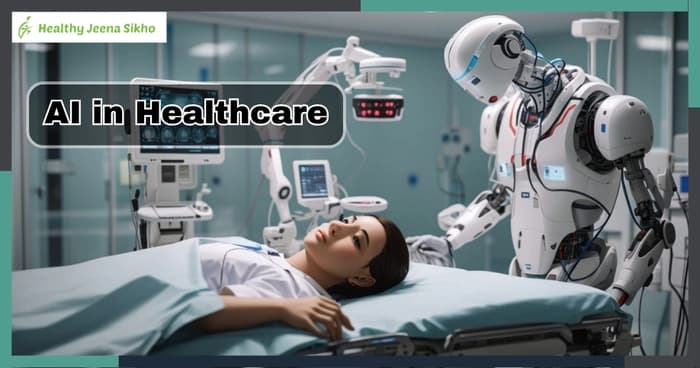
Artificial Intelligence Transforming Healthcare and the Pharmacy Profession
Artificial Intelligence (AI) has emerged as a powerful solution to complex data-driven challenges, driving technological innovation across nearly every sector, including engineering, education, business, and healthcare. In recent years, AI has made especially significant contributions to the healthcare industry, improving efficiency, accuracy, and overall quality of care.
Within healthcare systems, AI technologies are widely used to manage and analyze large volumes of data, such as patient medical records, medication inventories, and sales information. Advanced tools and automated systems have also been developed to support clinical decision-making, including medical imaging technologies used in diagnostics. These innovations have streamlined operations, reduced errors, and enhanced patient outcomes.
The pharmacy sector has increasingly benefited from these advancements. AI-driven systems have supported automation in medication dispensing, inventory management, and workflow optimization, allowing pharmacists to focus more on patient care. Over time, technology has helped pharmacies meet rising prescription demands despite workforce shortages, operational challenges, and financial pressures.
Interest in AI applications within pharmacy has grown rapidly in recent years. The technology is now being explored for use in drug discovery, dosage design, medication management, and hospital pharmacy operations. Intelligent systems can assist in identifying drug interactions, monitoring therapy effectiveness, and supporting clinical decisions, contributing to safer and more personalized treatment approaches.
The integration of AI into pharmacy practice builds on decades of technological adoption. Computers were first introduced into pharmacy operations in the late 20th century and have since become essential tools in retail management, clinical research, education, and pharmaceutical care. AI represents the next stage of this evolution, with the potential to further transform how pharmacists work and how healthcare services are delivered.
Experts suggest that as AI continues to develop, pharmacists will play a critical role in ensuring its effective and ethical use. By gaining relevant skills and adapting to new technologies, pharmacy professionals can contribute to innovation while maintaining high standards of patient safety and care.
As AI becomes an increasingly important component of modern healthcare, its impact on pharmacy practice is expected to grow. Embracing these advancements may help the profession remain resilient, efficient, and patient-centered in a rapidly changing digital landscape.
AI is not replacing medical professionals; it's empowering them to focus on the human element of healing.
”Careers
Heal with Hardware & Humans
Passionate about health-tech? We're looking for ML engineers with biology backgrounds to redefine patient care.
See open roles